
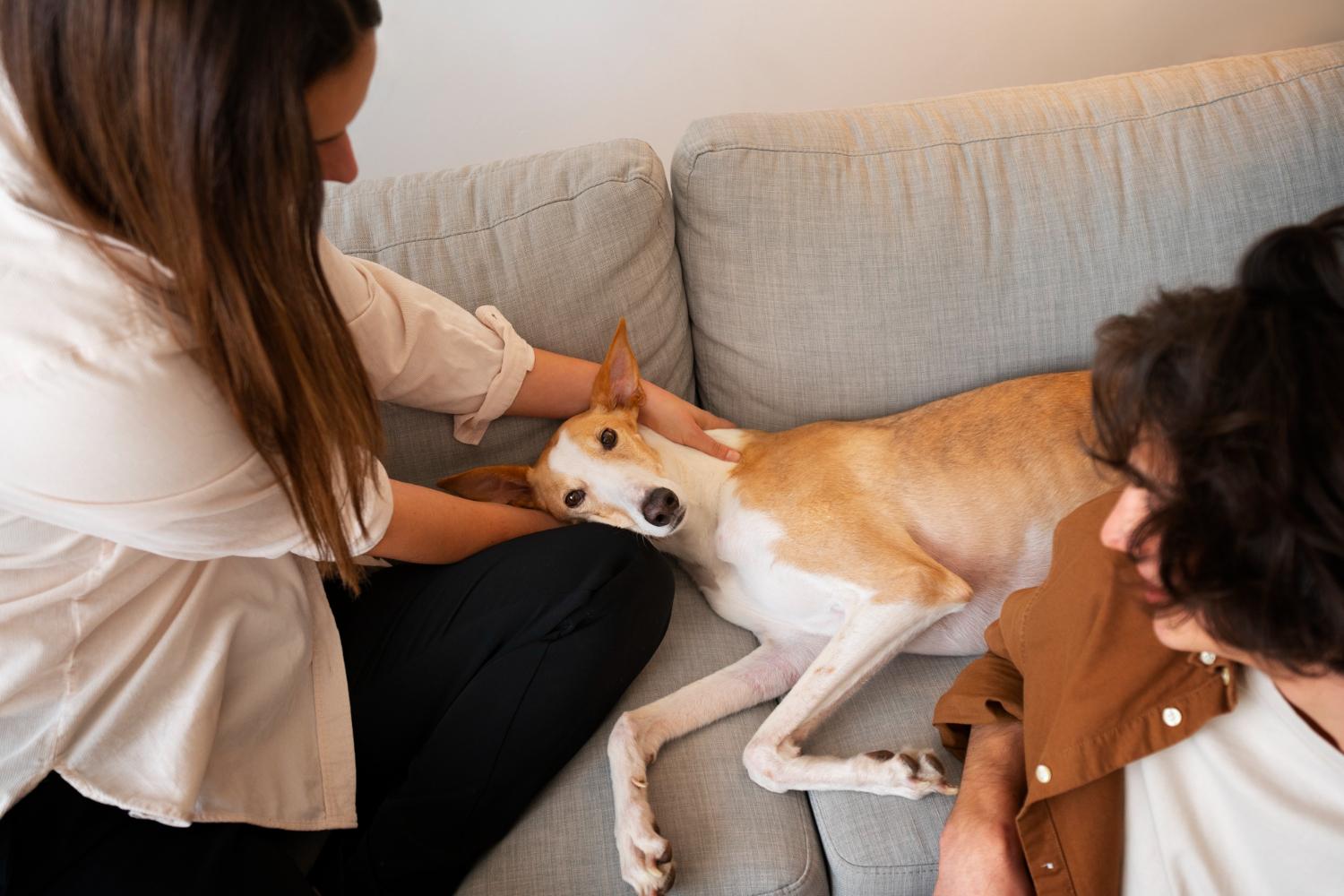
Facing the end of a beloved pet’s life is one of the most emotionally difficult decisions a pet owner can make. Knowing when and how to proceed with dog euthanasia involves not just practical steps but also deep emotional preparation. Understanding the process and what to expect can help you navigate this painful time with greater clarity and compassion.
Recognising the Right Time
One of the hardest parts is determining when the time is right. Vets often use a quality-of-life scale, considering factors like pain levels, mobility, appetite, and whether your dog still enjoys life. If daily activities become more of a struggle than a joy, it may be a signal that letting go is the kindest option. Speak openly with your vet; they can offer medical insight while respecting your emotional concerns.
Choosing the Right Setting
Dog euthanasia can take place at a clinic or in your home, depending on your preferences and your dog’s needs. Some owners find comfort in a clinical setting with full veterinary support, while others prefer the familiarity and calm of home. In-home euthanasia allows your dog to pass away surrounded by family, in a space where they feel secure.
Preparing Emotionally
It’s completely normal to experience guilt, grief, or uncertainty in the lead-up to euthanasia. Give yourself permission to feel and process these emotions. Talk to friends or family members who understand your bond with your dog. Writing a farewell letter, creating a photo album, or spending a peaceful final day together can help bring closure.
Involving the Family
If you have children or other pets, consider how they will be involved in the process. Children benefit from honest, age-appropriate conversations and a chance to say goodbye. Other pets may sense something is wrong and may also need time to adjust after the loss. Providing a sense of structure and routine can ease their transition.
Aftercare Decisions
After your dog has passed, you’ll need to consider aftercare options. Some owners choose dog burial, while others opt for dog cremation, which allows them to keep the ashes or scatter them in a meaningful place. Many veterinary clinics can guide you through these arrangements, often offering partnerships with local services.
Supporting Yourself Afterwards
Grief doesn’t end with the procedure. Seek out support groups or pet loss counselling if you need help processing your feelings. Everyone grieves differently, so be kind to yourself and give the healing process the time it requires.
Ultimately, dog euthanasia is an act of love, a final gift that spares your pet further suffering. By approaching it thoughtfully and compassionately, you honour the bond you shared and ensure your dog’s last moments are filled with peace.